

What is eSIM? How to set it up on iPhone and Android
No tray, no tiny card, no paperclip. eSIM is how most new phones in the US connect now, and setup takes a few minutes.
New phones, updates and buying advice for iPhone and Android.
No tray, no tiny card, no paperclip. eSIM is how most new phones in the US connect now, and setup takes a few minutes.
87% doesn't mean your battery is dying. Here's how to read Battery Health, according to Apple.
Android already has a cleanup tool built in. Most people never open it.
Before you pay for a bigger iPhone or more iCloud, check what's actually using the space. It's usually three things.
You can't make spam calls disappear, but you can stop most of them from ringing. Start with the settings already on your phone.
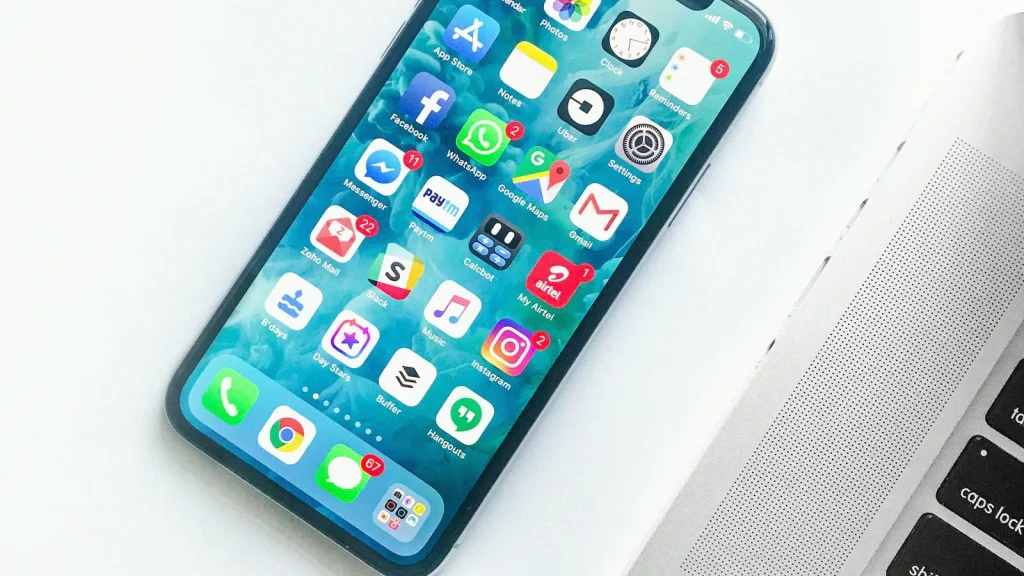
Good news: Apple didn't drop a single iPhone this year. Here's the list, and how to update without losing anything.
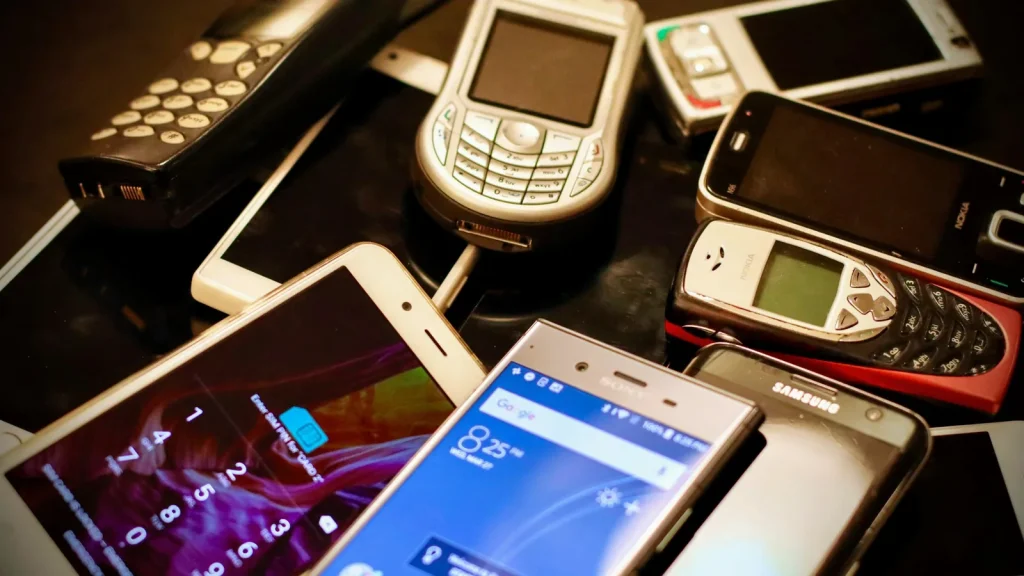
The update promise is the most underrated spec on a phone. Here's what Apple, Google and Samsung actually commit to.
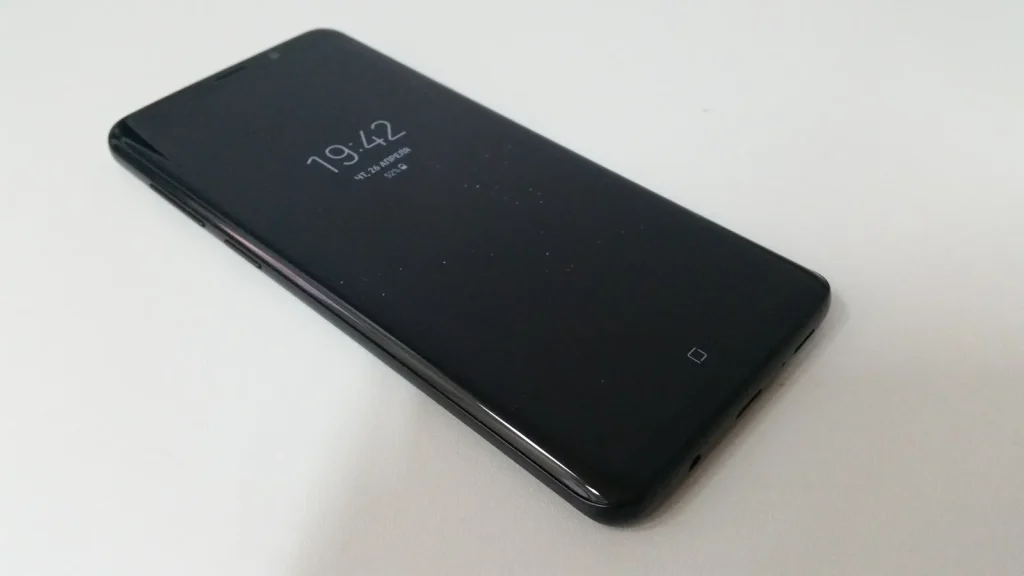
Samsung's big fall update is on Galaxy S26 phones now. Skip the feature list and start with these.
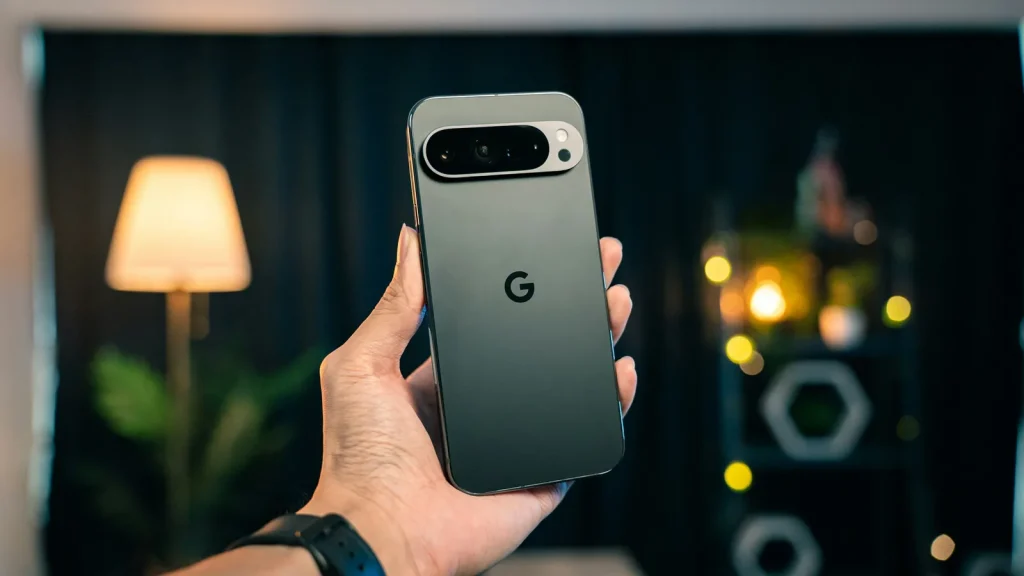
Your Pixel 6 won't stop working. But it's about to stop getting security fixes, and that changes how you should use it.
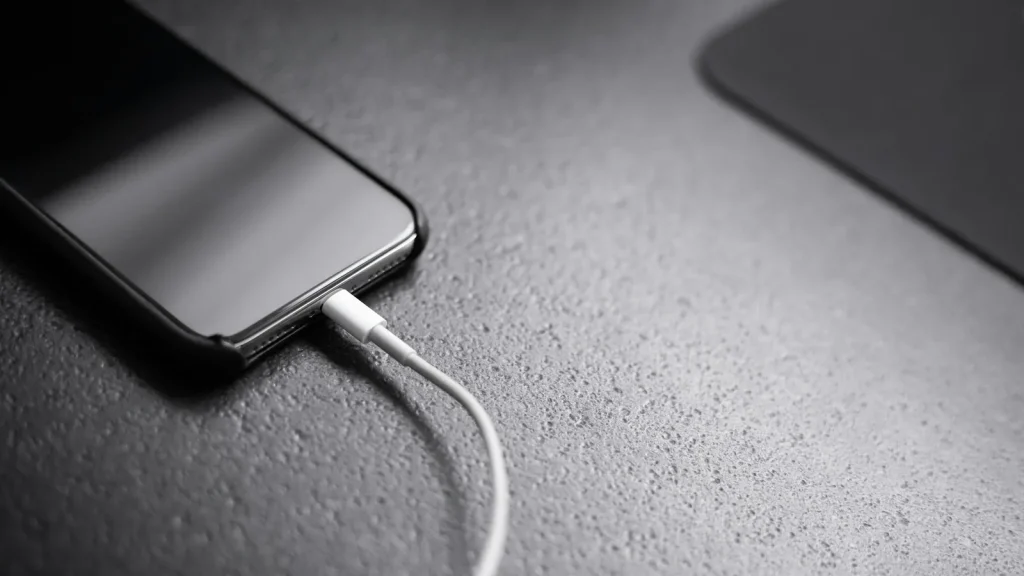
Most battery advice online is outdated. These are the settings Apple and Google themselves recommend, and the two we'd turn on first.
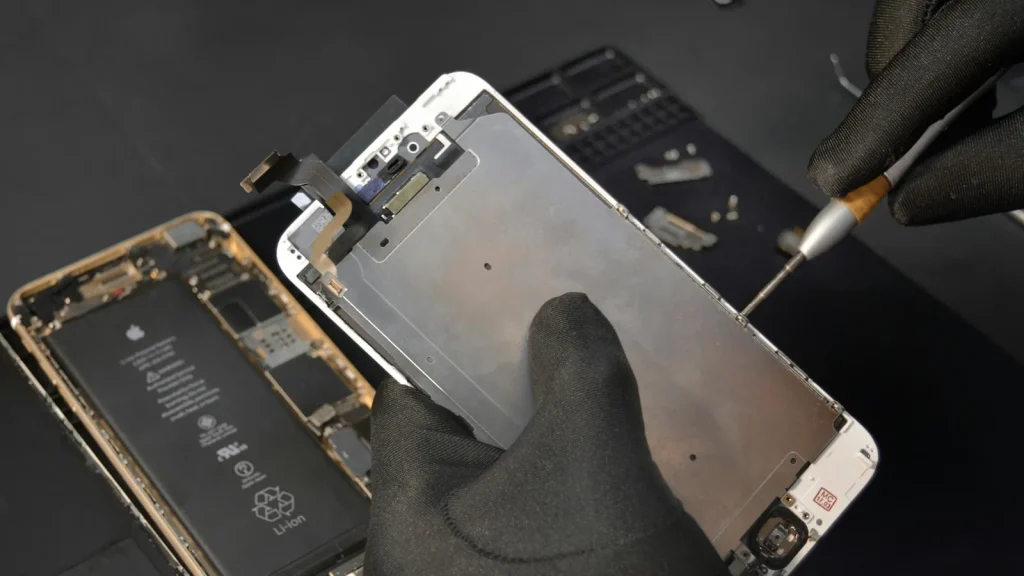
A report says Samsung will start verifying batteries in Galaxy phones. If you've ever had a battery replaced at a repair shop, this one's for you.
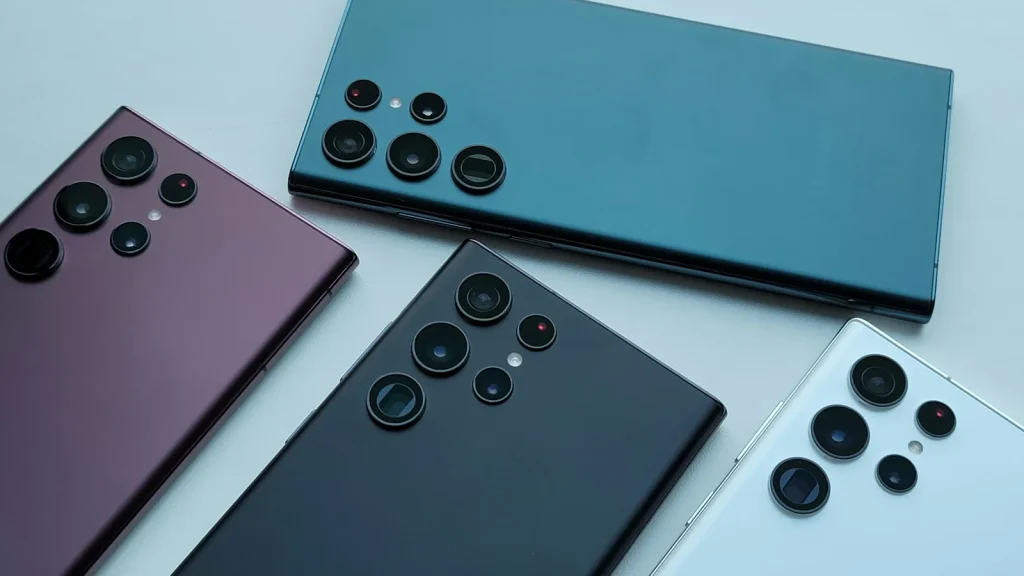
Samsung quietly made its 2026 flagships more expensive in the US. If you were waiting for a Galaxy S26, here's how to avoid paying the new…
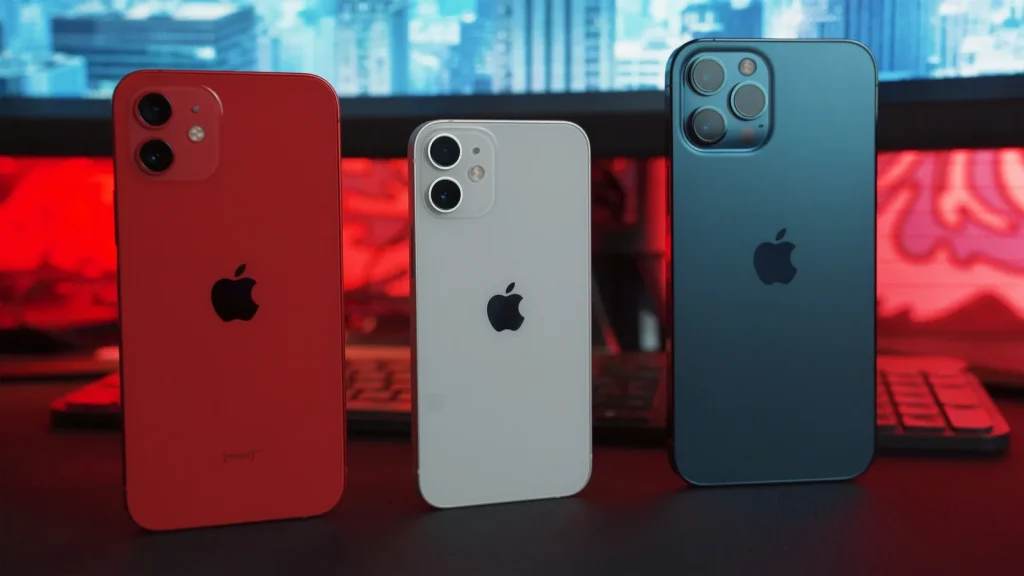
Apple sells seven iPhones right now, from $699 to $1,999. Most people only need to look at two of them.
Essential cookies keep DGTULS working and are always on. Optional cookies help us measure traffic and show ads. Accept, reject or choose which ones to allow. Learn more in our Cookie Policy, Privacy Policy and Terms of Use.
Your browser's privacy signal is on: ads personalization is off.
Your browser's privacy signal is on: ads personalization is off.
Keeps you signed in, protects forms, and stores this choice.
Counts visits with Google Analytics only after you allow it.
Used by ads and affiliate pixels if those scripts are turned on.
None found on the site.
Set by embedded players such as YouTube, if you load them.