

What is eSIM? How to set it up on iPhone and Android
No tray, no tiny card, no paperclip. eSIM is how most new phones in the US connect now, and setup takes a few minutes.
News
Three new Claude models in three weeks, each cheaper to run than the one it replaces.

DGTULS may earn a commission when you purchase through links on our site. This never affects our ratings or which products we recommend.
Between September 22 and October 7, 2026, Anthropic released three Claude 5.5 models: Opus 5.5, Sonnet 5.5 and Haiku 5.5. Here’s what each one is, what it costs on the API, and what changed for Claude subscribers.
API prices are per million tokens, checked on October 19, 2026.
| Model | Released | Input | Output | Anthropic’s pitch |
|---|---|---|---|---|
| Opus 5.5 | Sep 22, 2026 | $4 | $20 | Top model for agentic coding and knowledge work, 40% cheaper to run than Opus 5 |
| Sonnet 5.5 | Sep 28, 2026 | $2 | $10 | “Runs 30%+ faster” and costs “up to 30% less for most work” than Sonnet 5 |
| Haiku 5.5 | Oct 7, 2026 | $0.10 (up to 100k tokens) | $0.50 (up to 100k tokens) | Cheapest and fastest. Built for high-volume tasks |
Haiku 5.5 costs more on prompts over 100k tokens ($0.50 input, $2.50 output). Anthropic says it’s about 75% cheaper on average than Haiku 4.5.
These are Anthropic’s own claims. We haven’t run these benchmarks.
With the Opus 5.5 launch, Anthropic said it was “increasing five-hour usage limits on Pro, Max, Team, and seat-based Enterprise plans,” and gave subscribers a limit reset they can save for later (Anthropic).
Max and Team plans also include monthly API credits: $100 for Max 5x, $200 for Max 20x and up to $500 pooled for Team (Anthropic).
The headline isn't a new feature, it's the price. If you build on the API, re-test your app on Sonnet 5.5 or Haiku 5.5: you may get the same results for less. If you only use the Claude app, you don't need to do anything.
The headline isn't a new feature, it's the price. If you build on the API, re-test your app on Sonnet 5.5 or Haiku 5.5: you may get the same results for less. If you only use the Claude app, you don't need to do anything.
In the Claude apps, model choice depends on your plan. See Claude usage limits explained and our Claude review.
Prices checked on October 19, 2026.
No tray, no tiny card, no paperclip. eSIM is how most new phones in the US connect now, and setup takes a few minutes.
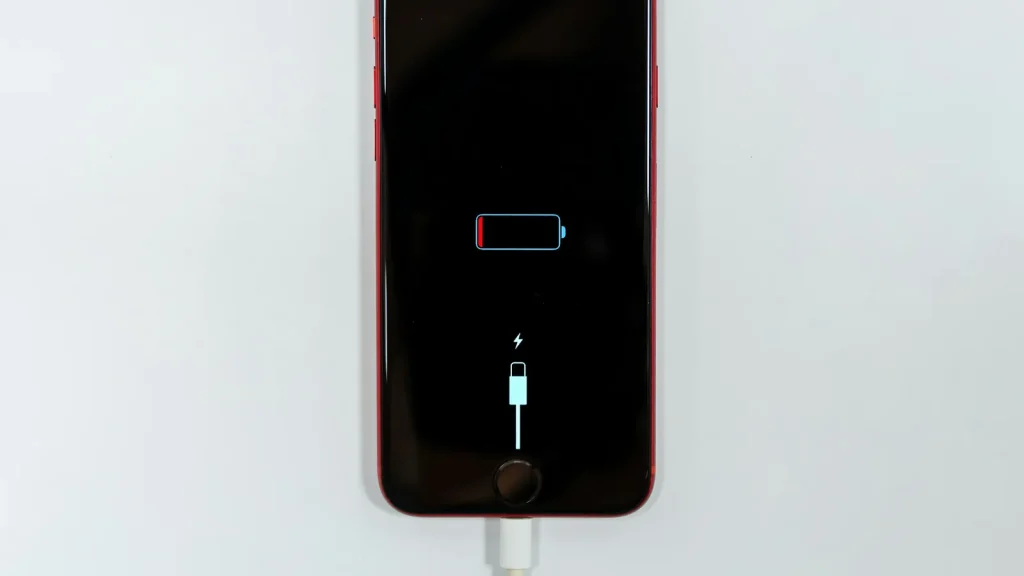
87% doesn't mean your battery is dying. Here's how to read Battery Health, according to Apple.
Android already has a cleanup tool built in. Most people never open it.
Essential cookies keep DGTULS working and are always on. Optional cookies help us measure traffic and show ads. Accept, reject or choose which ones to allow. Learn more in our Cookie Policy, Privacy Policy and Terms of Use.
Your browser's privacy signal is on: ads personalization is off.
Your browser's privacy signal is on: ads personalization is off.
Keeps you signed in, protects forms, and stores this choice.
Counts visits with Google Analytics only after you allow it.
Used by ads and affiliate pixels if those scripts are turned on.
None found on the site.
Set by embedded players such as YouTube, if you load them.