

What is eSIM? How to set it up on iPhone and Android
No tray, no tiny card, no paperclip. eSIM is how most new phones in the US connect now, and setup takes a few minutes.
Guide
The voice on the phone sounds exactly like your son. That's the point. Here's how the scam works, and the 2-minute family plan that stops it.

It starts with a call. A voice you know (your grandson, your sister, your daughter) says they’re in trouble: an accident, an arrest, a lost wallet abroad. They need money now, and please don’t tell anyone.
The voice is real enough to fool a parent. That’s because it’s made with AI. The FTC warns that “a scammer could use AI to clone the voice of your loved one” using just a short audio clip, like a video posted online (FTC). The FBI says criminals use AI-generated audio to impersonate relatives in an emergency and ask for money or a ransom (FBI IC3).
The FBI’s advice is simple: “Create a secret word or phrase with your family to verify their identity” (FBI IC3).
How to set it up in two minutes:
The same tools are used to fake bosses, banks and even government officials. In 2025 the FBI warned about AI-voiced messages impersonating senior US officials (BleepingComputer). The rule is the same: verify through a channel you already trust before you act.
You can’t remove every clip of yourself online, but you can:
Contact your bank or the payment app immediately, and report it at ReportFraud.ftc.gov and the FBI’s ic3.gov. The sooner you report, the better the chance of stopping a transfer.
This scam works because the voice sounds right, so don’t rely on the voice. A family code word costs nothing and takes two minutes. Set one up this week, and start with the oldest people in your family.
Prices checked on 2026-10-23.
No tray, no tiny card, no paperclip. eSIM is how most new phones in the US connect now, and setup takes a few minutes.
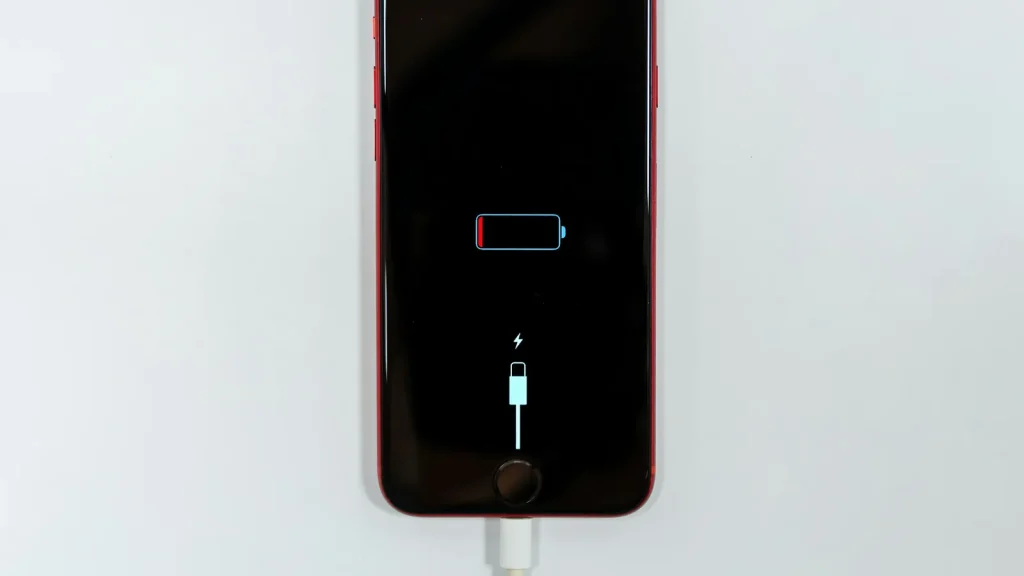
87% doesn't mean your battery is dying. Here's how to read Battery Health, according to Apple.
Android already has a cleanup tool built in. Most people never open it.
Essential cookies keep DGTULS working and are always on. Optional cookies help us measure traffic and show ads. Accept, reject or choose which ones to allow. Learn more in our Cookie Policy, Privacy Policy and Terms of Use.
Your browser's privacy signal is on: ads personalization is off.
Your browser's privacy signal is on: ads personalization is off.
Keeps you signed in, protects forms, and stores this choice.
Counts visits with Google Analytics only after you allow it.
Used by ads and affiliate pixels if those scripts are turned on.
None found on the site.
Set by embedded players such as YouTube, if you load them.