

What is eSIM? How to set it up on iPhone and Android
No tray, no tiny card, no paperclip. eSIM is how most new phones in the US connect now, and setup takes a few minutes.
News
ReportedSource: The Elec (Korea), Sep 2026. Samsung hasn't confirmed or commented.
A report says Samsung will start verifying batteries in Galaxy phones. If you've ever had a battery replaced at a repair shop, this one's for you.
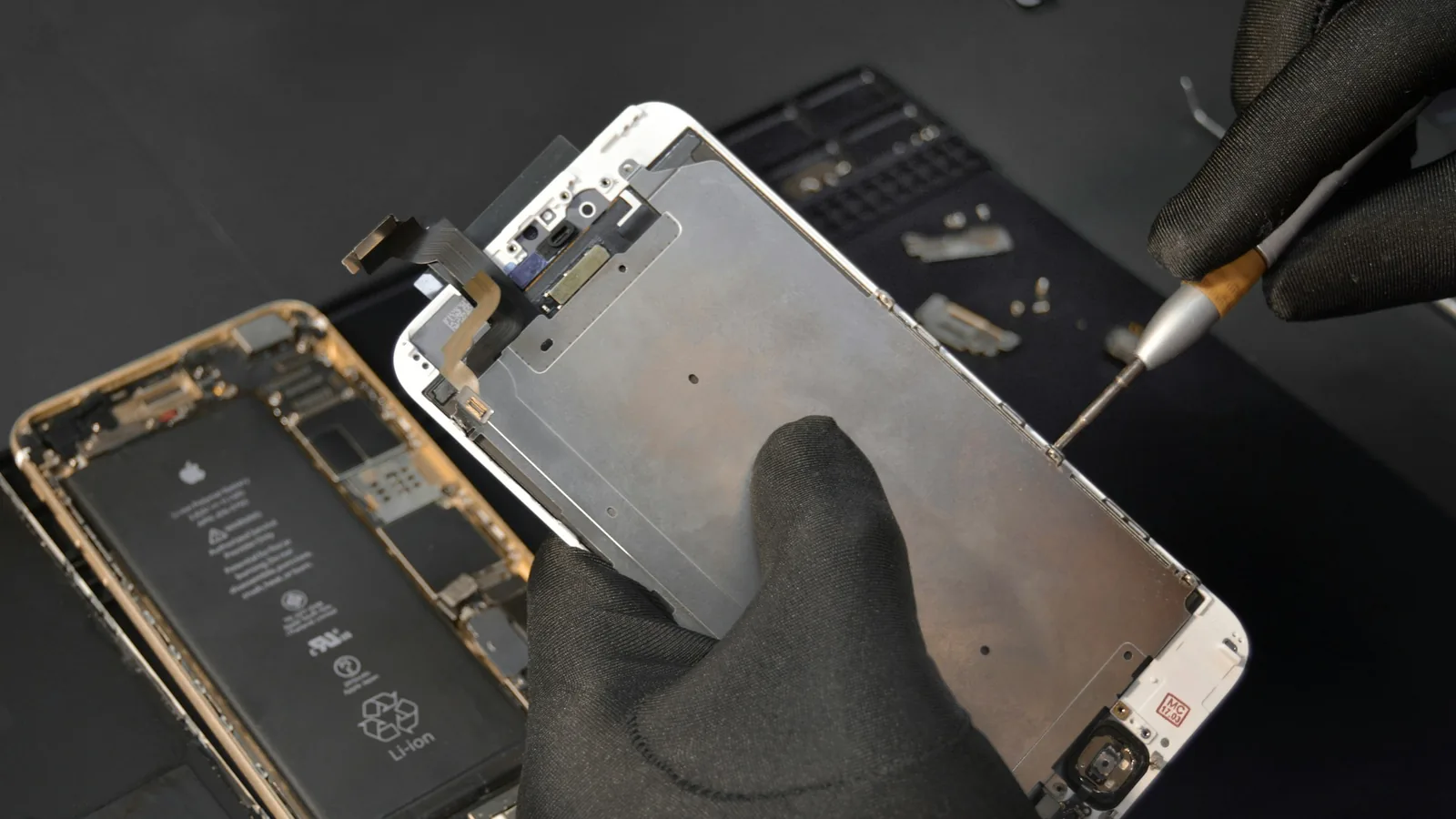
Samsung is reportedly planning to add security chips to Galaxy phone batteries, so the phone can tell whether a battery is genuine. The report comes from The Elec, a Korean outlet that covers the electronics supply chain. Samsung hasn’t confirmed it.
If you keep phones for three or four years and replace the battery along the way, this could affect where and how you get that done.
According to The Elec, as covered by TechRadar:
None of this is official. The Elec is a specialist trade outlet, and supply-chain reports like this are often directionally right, but details such as timing and numbers can change.
This lines up with new EU rules on phone batteries. Under the EU Batteries Regulation (2023/1542), portable batteries in devices like phones must become removable and replaceable by the user from February 2027, with some exceptions. The European Commission published guidelines on how those rules apply in January 2025.
Easier battery swaps plus more third-party batteries on the market is exactly the situation in which a manufacturer would want to verify parts. That’s our reading, though, not something Samsung has said.
Have you replaced a phone battery at a third-party shop? Tell us how it went in the Phones & Gadgets forum. Real stories help other readers decide.
Prices checked on 2026-10-22.
No tray, no tiny card, no paperclip. eSIM is how most new phones in the US connect now, and setup takes a few minutes.
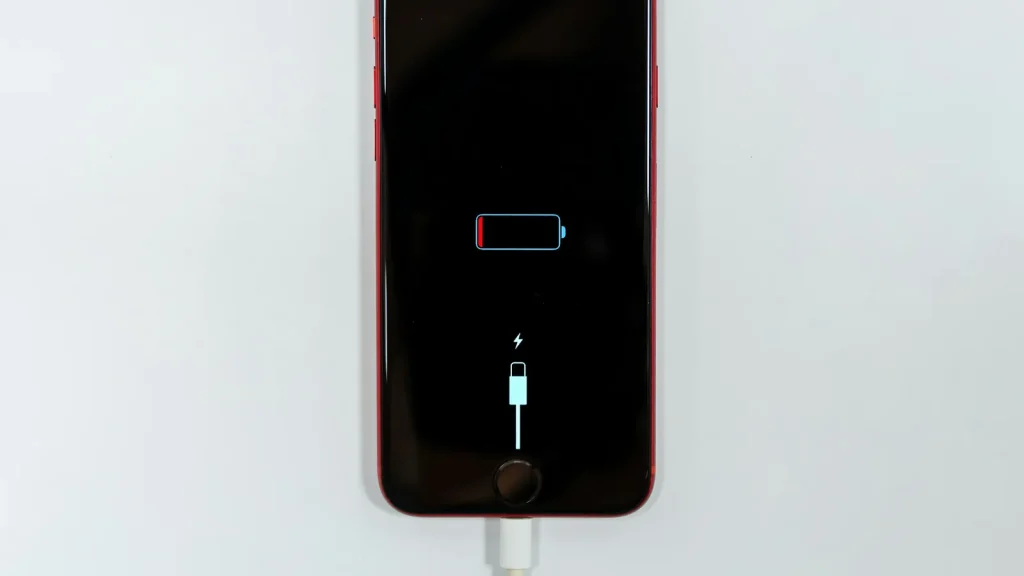
87% doesn't mean your battery is dying. Here's how to read Battery Health, according to Apple.
Android already has a cleanup tool built in. Most people never open it.
Essential cookies keep DGTULS working and are always on. Optional cookies help us measure traffic and show ads. Accept, reject or choose which ones to allow. Learn more in our Cookie Policy, Privacy Policy and Terms of Use.
Your browser's privacy signal is on: ads personalization is off.
Your browser's privacy signal is on: ads personalization is off.
Keeps you signed in, protects forms, and stores this choice.
Counts visits with Google Analytics only after you allow it.
Used by ads and affiliate pixels if those scripts are turned on.
None found on the site.
Set by embedded players such as YouTube, if you load them.